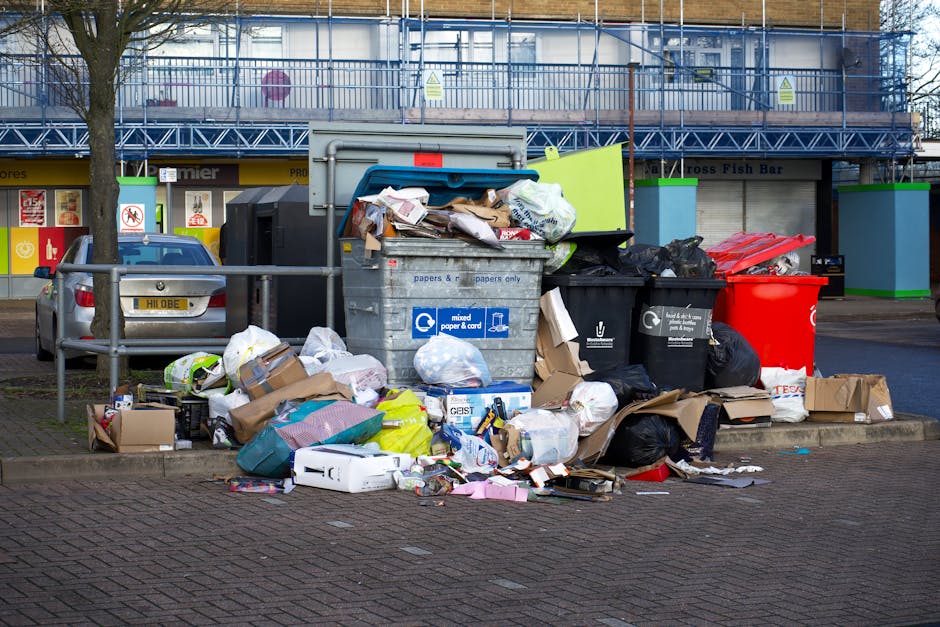
Gloucester Road bulky waste collection for homes
Posted on 07/05/2026
Gloucester Road bulky waste collection for homes: a practical guide for getting rid of large items the right way
If you live near Gloucester Road, you already know space can disappear fast. One spare chair becomes three. A broken wardrobe leans in the hallway for a week. Then, before you know it, the spare room looks like a storage unit with a radiator. That is exactly where Gloucester Road bulky waste collection for homes becomes useful. It gives you a straightforward way to clear large household items without guessing where they should go, how to move them, or whether they can be left out with normal rubbish.
This guide explains what bulky waste collection is, how it works for homes, when it makes sense, and how to avoid the usual headaches. You will also find practical advice on compliance, planning, and choosing the best disposal route for your situation. If you want to tidy a flat, clear a house before a move, or simply get rid of a sofa that has seen better days, this should make the process much easier. Truth be told, it is one of those jobs that feels bigger before you start than after you finish.

Why Gloucester Road bulky waste collection for homes Matters
Bulky waste is any large household item that does not fit neatly into normal bin collections. Think mattresses, wardrobes, broken appliances, tables, chairs, bookcases, old garden furniture, carpets, or a few bags of mixed clutter that have grown into a small mountain in the corner. For homes around Gloucester Road, the challenge is usually less about volume and more about access. Flats, shared entrances, narrow stairwells, limited parking, and busy streets can make moving large items awkward very quickly.
That is why a local bulky waste collection service matters. It helps homeowners, tenants, landlords, and managing agents get rid of oversized items safely and in a way that fits daily life in the area. You are not just paying for disposal; you are paying for convenience, timing, lifting support, and less disruption to everyone else in the building. And yes, that matters when you are trying to avoid a battered wardrobe blocking the hall on a rainy Tuesday morning.
There is also a wider practical angle. If bulky items are left in shared spaces, they can become a fire route issue, a nuisance to neighbours, or simply a magnet for damp, dust, and frustration. A proper collection keeps the property easier to manage and more pleasant to live in. For people who are also planning a move, renovation, or end-of-tenancy clean-up, it can be the difference between a smooth week and a very chaotic one.
If you are also dealing with regular household rubbish, it can help to understand the wider waste setup too. Useful related reading includes house clearance services, same day rubbish removal, and general waste disposal services for larger clear-outs.
How Gloucester Road bulky waste collection for homes Works
Most bulky waste collections follow a fairly simple process, but the details matter. Usually, you start by identifying what needs removing, checking whether the items are accepted, and arranging a collection time that suits your home and access conditions. A good service will want to know what the items are, how many there are, where they are located, and whether they need to be taken from inside the property, from a front garden, or from a rear access point.
That last part sounds small, but it is not. A sofa on the ground floor with easy street access is a very different job from the same sofa on the third floor of a converted house with a tight staircase and no lift. The clearer you are at the start, the better the service can plan the right vehicle size, crew numbers, and collection method. To be fair, most delays happen because the job was described too loosely in the first place.
A typical collection may include:
- an initial enquiry or quote request
- a description or photo review of the items
- confirmation of access and collection time
- lifting and loading from agreed locations
- sorting for reuse, recycling, or disposal where possible
- proof or confirmation that the job has been completed
Some items may need special handling. Fridges, freezers, televisions, and certain electrical items are not treated exactly the same as a wooden table or broken bedside cabinet. If you have a mixed load, it is best to say so upfront rather than discovering on the day that the crew cannot take one item without different arrangements.
For people who want more detailed information on related services, the junk removal service page and the frequently asked questions page can help set expectations before booking.
Key Benefits and Practical Advantages
The biggest advantage is obvious: you get your space back. But the real value is broader than that. Bulky waste removal can reduce stress, improve safety, and make a property easier to use day to day. A cleared hallway is not glamorous, but it feels good. You notice it the first time you carry shopping through without sidestepping an old chest of drawers. Small win, but a real one.
Here are the main benefits people usually care about:
- Convenience: you avoid hiring a van, finding help, and lifting heavy objects yourself.
- Time savings: what could take a whole weekend may be handled in a single visit.
- Safer handling: fewer risks of injury from moving awkward or heavy items.
- Better property presentation: useful for rental homes, sales viewings, and refurbishments.
- Cleaner shared areas: especially important in flats and converted buildings.
- More responsible disposal: where items can be sorted for reuse or recycling.
There is also a quiet but important benefit: decision relief. When the pile is in the corner, it keeps asking for attention. Once it is gone, the room starts feeling usable again. That matters emotionally, not just practically.
If you are preparing a property for a larger tidy-up, you may also find end of tenancy clearance and domestic rubbish removal useful alongside bulky item collection.
Who This Is For and When It Makes Sense
Bulky waste collection for homes is useful for a surprisingly wide group of people. It is not just for people doing a full house clearance. Sometimes it is simply the most sensible way to deal with one awkward item. Other times, it supports a bigger project that is already underway. Either way, it tends to make life easier.
This service often makes sense if you are:
- moving home and need large items removed before handover
- clearing out a spare room, loft, garage, or shed
- replacing old furniture after a refurb
- managing a rental property between tenancies
- helping a relative downsize
- dealing with a broken appliance or damaged furniture
- trying to restore order after a long period of buildup
It can also be a good fit if your building makes DIY removal awkward. Gloucester Road properties often have a mix of Victorian conversions, flats above shops, and homes with limited outside space. In those settings, carrying a wardrobe down a narrow stairwell is not just inconvenient; it can be risky for walls, bannisters, and your back. Let's face it, no one wants to spend Saturday apologising to the hallway.
If you are unsure whether your load is bulky waste, mixed rubbish, or a full clearance, the safer route is to ask for advice first. Services like office clearance and furniture removal can also be relevant if the items are not purely household waste.
Step-by-Step Guidance
Here is the simplest way to plan a smooth collection without making it more complicated than it needs to be.
- List everything you want removed. Be specific. "One sofa, one mattress, two chest of drawers, three black bags" is far better than "some stuff."
- Check the item types. Note anything unusual such as fridges, freezers, paint, plasterboard, or electrical equipment.
- Take a few clear photos. Photos help with quoting and prevent misunderstandings about size, access, and quantity.
- Think about access. Stairs, narrow doors, parking restrictions, gated entry, and basement flats can all affect the job.
- Choose a collection time that works. If you live in a shared property, pick a slot that causes the least disruption.
- Separate what can stay from what must go. It is easy to accidentally throw out something useful when the room is already a mess.
- Move smaller loose items together. Bagging or boxing them helps keep the job efficient.
- Confirm any special instructions. If there is a concierge, intercom, permit zone, or awkward rear access, say so early.
- Be available, or arrange a clear handover. The collection should not depend on guesswork at the door.
- After the collection, do a quick sweep. Check for plugs, screws, or forgotten bits behind furniture. They always seem to hide behind the radiator, don't they?
A small practical point: if you are clearing several rooms, do one room at a time and keep a "definitely going" pile separate from the "maybe" pile. That little bit of discipline saves arguments later.
Expert Tips for Better Results
After enough collections, a pattern emerges. The smoothest jobs are the ones where the customer has thought through access, item type, and timing. That does not mean you need a perfect plan. Just a decent one. A few sensible choices go a long way.
1. Photograph items in good light
Morning or daylight photos are usually best. Dark images make it hard to judge condition, size, or quantity. If a sofa has a hidden tear or a mattress is heavily stained, it is better to mention that than leave it to be discovered at pickup. Clear information helps avoid hold-ups.
2. Measure the awkward items
Not every item needs measuring, but anything bulky, heavy, or unusual should be checked. A wardrobe that looks manageable in a room can suddenly feel enormous when it reaches the front door. That is just how it goes.
3. Group items by room
Putting everything in one pile may seem efficient, but room-by-room grouping can help a crew move faster and reduce the risk of missing something. It also makes it easier to spot if anything valuable is being thrown out by mistake.
4. Separate recycling-friendly items
Some services can sort reusable or recyclable materials, but it helps if you have already separated obvious categories such as wood, metal, textiles, and WEEE items where possible. You do not need to overdo it, just avoid mixing everything into one mystery heap.
5. Keep neighbours in mind
In terrace houses, mansion blocks, and converted flats, noise and corridor congestion matter. A quiet, tidy collection is always easier on everyone. If you can, choose a time that avoids peak school runs or the evening rush outside. Minor detail, big difference.
If your project is part of a bigger clean-out, the garden clearance and builders waste removal pages may help you plan the next stage without creating another pile somewhere else.

Common Mistakes to Avoid
People usually do not get bulky waste wrong on purpose. The mistakes are simple, but they create stress. Here are the ones most worth avoiding.
- Giving vague descriptions: "old furniture" is not enough if there are five different items and one is a broken ottoman bed.
- Forgetting access details: a top-floor flat with no lift is not the same as a ground-floor maisonette.
- Mixing prohibited or specialist items: certain materials need separate handling.
- Leaving items in the wrong place: if collection is arranged from the front, do not assume the crew can enter communal areas without notice.
- Trying to save time by hiding extras: the load size is always easier to settle upfront than on arrival.
- Waiting until the last minute: clearance jobs under pressure tend to be messier and more expensive to plan.
One of the more common issues is underestimating how much space bulky waste takes. A dismantled wardrobe can still occupy far more room than expected, and a rolled-up carpet has a way of being awkward in a completely different shape. If you have ever tried to squeeze an old sofa around a staircase corner, you already know the feeling. Not ideal.
Tools, Resources and Recommendations
You do not need a warehouse of equipment to prepare for bulky waste collection, but a few simple tools can make the job calmer and safer.
- Measuring tape: useful for checking door widths, stair landings, and item dimensions.
- Phone camera: take clear photos for quoting and planning.
- Gloves: useful for moving dusty or rough items.
- Labels or sticky notes: handy if you are sorting keep, donate, and remove piles.
- Basic tools: a screwdriver or wrench can help with dismantling furniture where appropriate.
- Bin bags and boxes: better for smaller loose items than leaving them scattered about.
Useful service pages to browse before booking include house clearance services, commercial waste removal if the job turns out to be mixed-use, and contact the team if you need advice on a specific load.
Recommendation-wise, the safest approach is simple: describe the job honestly, ask what is included, and check whether the service can handle the access conditions in your building. That is the kind of boring admin that saves a lot of bother later.
Law, Compliance, Standards, or Best Practice
For homes, bulky waste disposal is not just about convenience. There is also a basic duty to make sure waste is handled responsibly and does not create problems for neighbours, pedestrians, or the environment. In the UK, householders should use a lawful collection route and avoid leaving bulky items where they can block shared entrances, pavements, or fire escapes.
It is also sensible to check how a provider handles waste transfer, sorting, and disposal. You do not need to become a legal expert to book a collection, but you should expect the service to act responsibly and avoid fly-tipping or careless disposal. If a provider cannot explain what happens to the waste at a basic level, that is a red flag. Simple as that.
Best practice usually includes:
- clear item descriptions before collection
- safe lifting and loading methods
- careful handling in shared buildings
- appropriate segregation of reusable or recyclable materials where possible
- lawful disposal through proper waste routes
If you are a landlord, managing agent, or homeowner dealing with a property that has multiple occupiers, it is wise to keep access, communication, and timing tidy. Not glamorous work, but it avoids complaints and confusion. For more property-related support, see landlord clearance and property clearance.
Options, Methods, or Comparison Table
There is more than one way to handle bulky waste from a home. The right option depends on quantity, item type, access, time pressure, and how much lifting you want to deal with yourself. Here is a straightforward comparison.
| Method | Best for | Pros | Watch outs |
|---|---|---|---|
| Booked bulky waste collection | One-off large items or a manageable household load | Convenient, less lifting, good for flats and busy streets | Needs accurate item details and access information |
| Self-haul to a facility | People with a van, time, and lifting help | Can be flexible if you already have transport | Physical effort, parking, loading, and time at the site |
| Regular council-style collection route | Standard accepted items in smaller quantities | Simple for routine household clear-outs | Collection dates, item limits, and local rules may vary |
| Full house clearance | Multiple rooms, probate, moves, or major downsizing | Removes lots of items in one go | More planning, wider scope, and a bigger job overall |
If you only have one mattress and a chair, a simple bulky waste collection may be ideal. If you are emptying a whole flat after years of accumulation, a more comprehensive clearance route may be better. No one likes paying for more than they need, after all.
Case Study or Real-World Example
Imagine a typical Gloucester Road flat: two bedrooms, a narrow hallway, and a shared entrance that everyone in the building uses throughout the day. The homeowner has an old sofa, a damaged bedside cabinet, a mattress, and a cracked TV unit they have been meaning to sort for months. It is not a full clear-out, but it is enough to block one corner of the living room and make the place feel smaller than it is.
The first instinct might be to wait for a free weekend and hire a van. But then the realities kick in: where to park, how to carry the sofa without scratching the walls, who can help, and what to do with the mattress afterwards. By the time the plan is drawn up, half the weekend has gone. Happens all the time.
Instead, the homeowner arranges a bulky waste collection. They send photos, confirm the stairs and access, move a couple of smaller items into one corner, and agree a collection time that avoids the morning rush. The crew collects the items in one visit, leaving the hallway clear and the room usable again. That evening, the space feels different. Quieter. Less cramped. A bit lighter, even.
That is the real value of a good collection service. Not just "disposal," but the removal of a constant little burden from the home.
Practical Checklist
Use this checklist before booking:
- List every item you want removed
- Mark anything unusual, heavy, or delicate
- Take clear photos in good light
- Measure awkward items and tight access points
- Confirm stairs, lift access, parking, and entry details
- Separate items to keep, donate, and remove
- Bag or box loose smaller rubbish
- Check whether appliances or electricals need special handling
- Choose a collection time that suits the household
- Ask what happens to reusable or recyclable items
- Make sure communal areas remain clear before and after collection
- Double-check the final list before the crew arrives
Practical summary: the smoother the description, the easier the collection. Good photos, clear access details, and a simple item list usually solve most of the problems before they start. That is the kind of preparation that pays off quietly.
Conclusion
Gloucester Road bulky waste collection for homes is really about making a messy job feel manageable. Whether you are dealing with one awkward item or several rooms' worth of clutter, a sensible collection plan can save time, reduce stress, and keep your home safer and easier to live in. The key is to be clear about what needs removing, honest about access, and realistic about how much work the job involves.
Used well, this service does more than clear space. It helps you reset a room, finish a project, or simply stop looking at that one thing you have been meaning to sort for ages. And honestly, there is something satisfying about getting that bit of life back. A cleared room has a way of making everything else feel a little more possible.
Get a free quote today and see how much you can save.
If you are ready to move forward, take a moment to compare your options, gather a few photos, and choose the route that fits your home best. A small bit of planning now can make the whole process feel much lighter later.