Earls Court furniture removal before and after job story
Posted on 05/10/2026
If you have ever stared at a sofa wedged in a narrow hallway and thought, "Right, how on earth is this going to work?", you are in the right place. An Earls Court furniture removal before and after job story is more than a nice little before-and-after tale. It is a practical look at how furniture removal actually works in a busy London area like Earls Court, what can go wrong, what gets easier with the right plan, and what the finished space should feel like once the dust has settled.
This guide walks through the full picture: why the job matters, how it is handled, the benefits, the risks, and the small details that make the difference between a stressful day and a smooth one. You will also see a realistic example, a checklist, and the kind of best-practice advice people usually wish they had before moving day. Let's face it, furniture removal sounds simple until you are trying to angle a wardrobe around a tight stairwell at 8:15 in the morning.
For readers who want the bigger picture around local removal and waste handling, it can also help to understand the wider service options available through the services overview and the role of dedicated furniture removal in Kensington when large items need careful handling.

Why Earls Court furniture removal before and after job story Matters
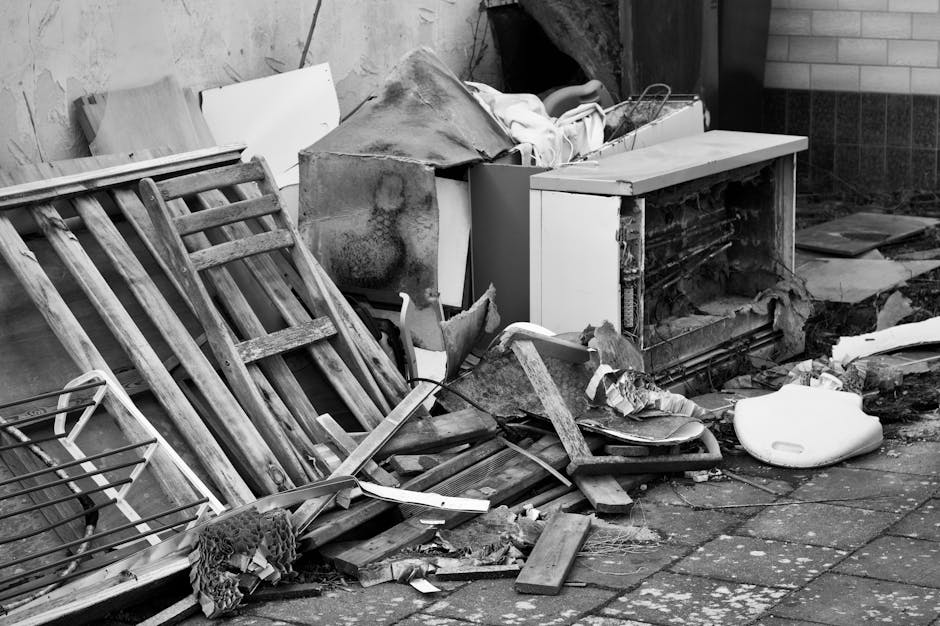
Earls Court has the kind of housing that makes furniture removal feel a bit more personal. There are basement flats, older conversions, shared entrances, tight staircases, and doorframes that seem to shrink the moment a heavy item approaches them. A before-and-after job story matters because it shows the actual transformation, not just the service label. Before: clutter, blocked access, awkward lifting, and a room that feels smaller than it really is. After: clear floors, safer movement, better light, and a space you can finally use properly.
That shift is not only visual. It is practical. If you are preparing a property for sale, getting a rental ready, clearing a flat after tenants move out, or simply replacing bulky furniture, a proper removal process helps protect walls, flooring, and your own time. Truth be told, the real win is often not the item leaving the building. It is the calm that comes back once it is gone.
The story format is useful because it captures the difference between a rushed job and a well-managed one. It shows how planning, access checks, and waste sorting can change the outcome. It also gives you a clearer sense of what to expect if you are comparing options such as furniture disposal in Kensington, broader waste disposal in Kensington, or a more complete house clearance in Kensington.
How Earls Court furniture removal before and after job story Works
A proper furniture removal job usually follows a straightforward pattern, though the details change depending on the building, the size of the items, and how much access you have. In Earls Court, the work often starts with an assessment of what needs to go, where it is located, and how it can be taken out without damaging the property or causing disruption to neighbours.
The "before" stage is where the planning happens. That may include measuring doorways, checking stair turns, identifying fragile items nearby, and deciding whether furniture can be dismantled first. The crew may also ask whether anything needs to be reused, donated, recycled, or disposed of separately. In a good job, this stage feels calm and practical, not rushed.
The removal itself tends to be methodical. Heavy items are lifted by two people where needed, protective care is used on tight corners, and loading is organised so that the van is used efficiently. The "after" stage is not just about an empty room. It is about tidying the area, sweeping up loose debris if needed, and making sure the space is safe and ready for what comes next. That is the bit people remember when it is done well.
Sometimes the work is as simple as taking away one sofa and a dining set. Other times it is part of a bigger clear-out, maybe alongside office furniture, white goods, or leftover items from a flat move. If that sounds familiar, related services like office clearance in Kensington or white goods and appliance disposal may also be relevant depending on the property.
Key Benefits and Practical Advantages
The biggest benefit of furniture removal is obvious enough: the heavy item is gone. But the practical advantages go deeper than that, especially in a place like Earls Court where access can be fiddly and time matters.
- Better space use: Removing a bulky bed, wardrobe, or sofa instantly changes how a room feels and functions.
- Lower risk of damage: Fewer attempts to drag items yourself means less chance of scuffed walls, chipped paint, or broken fittings.
- Safer lifting: Large furniture can be awkward and genuinely dangerous without the right technique.
- Faster turnaround: A clear room is easier to clean, decorate, rent, sell, or repurpose.
- Better sorting outcomes: Good removal work often supports recycling and reuse, not just disposal.
There is also a planning benefit that people sometimes overlook. Once bulky furniture is removed, other jobs become easier. Painting, carpet replacement, end-of-tenancy cleaning, and storage decisions all get simpler. One job clears the way for three others. Handy, really.
Where recycling and reuse matter, it is worth looking at the wider approach to responsible handling through recycling and sustainability. That matters when you want the after-story to be cleaner in more than one sense.
Who This Is For and When It Makes Sense
This kind of service is a good fit for anyone who needs large furniture removed without turning the day into a mini disaster. In Earls Court, that often includes flat owners, renters, landlords, letting agents, and property managers. It can also suit people downsizing, refurbishing, clearing a relative's home, or dealing with furniture that has simply reached the point of no return.
It makes particular sense when:
- the item is too heavy or awkward to move safely alone
- you live in a building with tight access or shared stairwells
- you need the room cleared quickly for another contractor
- the furniture is damaged, outdated, or no longer suitable
- you want the job handled with minimal disruption
If you are comparing a quick item pickup against a broader clearance, it helps to be honest about the scope. One armchair is not the same as a full flat clear-out. And a full flat clear-out is not the same as one awkward wardrobe that needs dismantling before it will even fit around the turn. Different jobs, different approach. Simple as that.
For some households, the issue is not the furniture itself but what sits around it. A loft full of old chairs, storage items, and broken furniture may be better handled as a loft clearance in Kensington rather than piecemeal lifting. That is often the cleaner decision, if you have the time to do it properly.
Step-by-Step Guidance
If you want a smoother experience, the process helps when broken into clear steps. No drama, no guesswork.
- Identify every item. List what needs to go and note whether anything is reusable, recyclable, or fragile.
- Check access routes. Measure doors, stairs, lifts, hallways, and any tight bends that might catch a bulky item.
- Decide on dismantling. Some furniture is easier to remove in sections. Beds, wardrobes, and large desks often benefit from this.
- Clear the path. Move smaller objects, rugs, and loose obstacles before the team arrives.
- Protect the property. Use floor covers or corner protection where needed, especially in older buildings.
- Separate special items. Keep electrical items, mattresses, or mixed waste apart if they need different handling.
- Confirm disposal route. Ask how items will be reused, recycled, or disposed of, and what paperwork or proof is available.
- Do the final sweep. Check the room after removal so nothing small gets left behind, because somehow socks, screws, and cable clips always hide.
That last point sounds minor, but it matters. A neat after-job is not just empty. It is properly finished.
If the job involves more general household rubbish as well, combining it with rubbish collection in Kensington or waste clearance in Kensington can sometimes make the whole process more efficient.
Expert Tips for Better Results
In our experience, the best furniture removals are usually the ones where the client has done a little thinking beforehand. Not much, just enough to avoid the obvious tripwires.
Tip 1: Photograph awkward items before the team arrives. A quick photo of the furniture and the route out of the property can save time and confusion. It also helps if you need to discuss dismantling or access in advance.
Tip 2: Keep screws, fittings, and legs together. A small labelled bag makes reassembly or recycling far easier. Tiny detail, big difference.
Tip 3: Be honest about damage or instability. If a wardrobe is already loose, wobbly, or partly broken, mention it. That changes how it should be handled.
Tip 4: Plan around building rules. Some blocks have limited lift times, parking restrictions, or quieter hours. That is especially relevant in denser parts of London where shared access is common.
Tip 5: Separate what you want to keep from what is going. It sounds obvious, but it is surprisingly easy to blur the line when a room is half packed and everyone is in a hurry.
There is a neat little truth here: the smoother the preparation, the less the removal feels like a removal. It just becomes a handover. That is the ideal.
Common Mistakes to Avoid
Furniture removal rarely goes wrong because one huge thing fails. More often, it goes wrong because of small avoidable mistakes building up on each other.
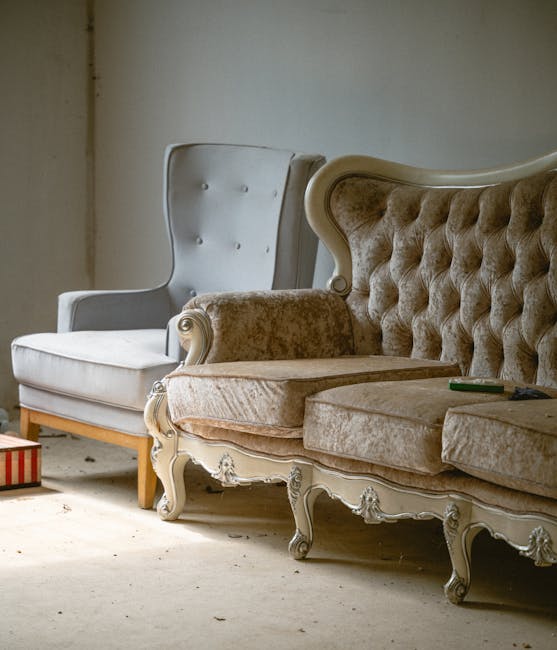
- Underestimating access: A sofa might fit through the door but not around the stair landing.
- Not measuring properly: Guesswork and bulky furniture are a poor mix.
- Leaving it to the last minute: Panic makes people forget to clear routes or separate items.
- Assuming all items can be handled the same way: Furniture, white goods, and mixed waste may need different handling.
- Ignoring property protection: One careless scrape can cost more than the removal itself if repair work is needed.
- Forgetting disposal responsibility: If you hand items to an unlicensed operator, you can end up tied to the consequences if waste is fly-tipped.
That last one deserves respect. It is not the glamorous part of the story, but it is one of the most important. You want the after picture to stay a good after picture, not turn into a headache later.
Tools, Resources and Recommendations
You do not need a van full of specialist equipment to prepare for furniture removal, but a few practical tools help a lot.
| Tool or Resource | Why it helps | Best used for |
|---|---|---|
| Measuring tape | Checks doorways, stair turns, and furniture dimensions before moving day | Planning access and dismantling |
| Gloves | Improves grip and protects hands from sharp edges or rough surfaces | Handling heavy items safely |
| Moving blankets | Helps reduce scuffs on furniture, walls, and bannisters | Tight hallways and staircases |
| Labels or tape | Keeps parts, fittings, and keep-items organised | Before dismantling and sorting |
| Phone photos | Captures access issues and item condition | Quoting and preparation |
For anyone comparing prices or trying to understand what affects the cost, the page on pricing and quotes is a useful place to start. It is also worth looking at a broader service such as SW7 Kensington furniture disposal if your job overlaps with a wider local clearance.
And if the item is mixed with construction debris after refurbishment, builders waste can become part of the picture too. That is where a separate route like builders waste disposal in Kensington may be more suitable.
Law, Compliance, Standards, or Best Practice
Furniture removal is not only a practical task. In the UK, it also sits within a wider duty to handle waste responsibly. You do not need to memorise legislation to make a sensible choice, but you should know the basics. The person removing or receiving the waste should be able to show that they are operating properly, and waste should go to the right place rather than disappearing into the night, so to speak.
One of the clearest best-practice signals is a valid waste carrier licence and a transparent approach to disposal. If you are hiring someone to remove furniture, it is sensible to ask how they handle waste transfer, recycling, and traceability. That is not being difficult. It is being careful.
Safety matters too. Heavy lifting, narrow staircases, and older London properties can create real risks. Good practice usually includes clear lifting technique, two-person handling where necessary, and care around communal areas. If you need reassurance on these points, the pages on waste carrier licence and compliance and insurance and safety are relevant reading.
There is also a practical environmental angle. Reuse and recycling are preferred wherever possible, especially for furniture that still has life left in it. A responsible after story should not end with avoidable waste.
Options, Methods, or Comparison Table
There are a few ways to handle furniture removal in Earls Court, and the right choice depends on time, access, item size, and how much effort you want to put in.
| Method | Best for | Pros | Limitations |
|---|---|---|---|
| DIY removal | Small, light items and easy access | Can be cheaper if you already have transport | Heavy lifting, injury risk, parking and disposal hassle |
| Man and van style removal | One-off bulky items or medium clearances | Flexible and quicker than doing it yourself | May still require preparation and access planning |
| Full furniture clearance service | Multiple rooms, full flats, or landlord turnarounds | More efficient for bigger jobs, usually less stress | May feel like overkill for a single item |
| Specialist clearance with recycling focus | Mixed items with reuse or sustainability priorities | Better sorting and disposal discipline | Needs clearer communication about item types |
If the job is part of a bigger home transition, compare it carefully with related services like SW7 house clearance in Kensington W8 or SW7 junk removal in Kensington W8. The right method is the one that matches the real size of the job, not the one that sounds most convenient in the moment.
Case Study or Real-World Example
Here is a realistic Earls Court-style job story. A small flat had a bulky sofa, an old double wardrobe, and a dining table that no longer matched the space. The resident wanted the room cleared before new flooring was fitted, and the building had a narrow shared staircase with a tight turn on the second landing. Classic London problem, really.
Before: The room felt cramped, and the wardrobe blocked easy access to the window. The sofa was too heavy to move safely without help, and the table legs had to come off before it could be carried out cleanly. The client was worried the hallway walls would be marked during removal.
What was done: The items were checked, the wardrobe was partially dismantled, and the route out of the property was cleared first. Protective care was used at the tightest points, and the load was managed item by item rather than trying to force everything at once. That is usually the wise move, by the way. No one wins a race against a narrow landing.
After: The room was open again, the flooring work could start immediately, and the hallway was left clean and undamaged. The visible change was obvious, but the real benefit was the sense of order. The flat felt easier to live in straight away.
That kind of before-and-after story is why people often search for furniture removal in the first place. They do not just want the item gone. They want the room to work again.
Practical Checklist
Use this checklist before your furniture removal job. It keeps things simple.
- Make a full list of the furniture to remove
- Measure large items and the main access points
- Check whether anything needs dismantling first
- Clear corridors, stairs, and doorways
- Protect flooring, corners, and shared areas if needed
- Separate items for reuse, recycling, and disposal
- Confirm any building access or parking restrictions
- Ask how waste will be handled after collection
- Keep keep-items somewhere obvious and out of the way
- Do a final room check before the team leaves
And if you are dealing with mixed household items as well, a broader option such as waste disposal in Kensington can be more efficient than booking separate small collections.
Conclusion
An Earls Court furniture removal before and after job story is really a story about turning clutter and stress into space and calm. The before is usually crowded, awkward, and a little overwhelming. The after should feel lighter, safer, and easier to use. That is the standard worth aiming for.
The best results come from simple things done properly: measuring, planning access, protecting the property, and choosing the right removal method for the job. Once those basics are in place, the whole process becomes much more manageable. No fuss. No unnecessary damage. Just a clean handover from full to clear.
If you are weighing up what to do next, think about the actual shape of your job rather than the quickest headline solution. That one bit of honesty usually saves time, money, and a bit of sanity too.
Get a free quote today and see how much you can save.
And when the room is finally clear, you really notice the quiet. Funny how that works.